
Artificial Intelligence has officially crossed the experimentation phase. In 2026, AI is no longer a “future bet” — it’s a core operating layer for modern businesses. Organizations that are integrating AI strategically are accelerating revenue, reducing costs, and outpacing competitors at scale.
This blog breaks down the most popular, high-impact, and genuinely useful AI applications in business today, with a sharp focus on ROI, execution, and real-world value.
Why Artificial Intelligence Is Mission-Critical for Business in 2026
AI has matured across three dimensions:
- Accessibility – No-code/low-code tools democratize adoption
- Capability – Generative + predictive + autonomous systems
- Integration – AI embedded directly into business workflows
Executives are no longer asking “Should we use AI?”
They’re asking “Where will AI move the needle fastest?”
Generative AI: The Business Productivity Multiplier
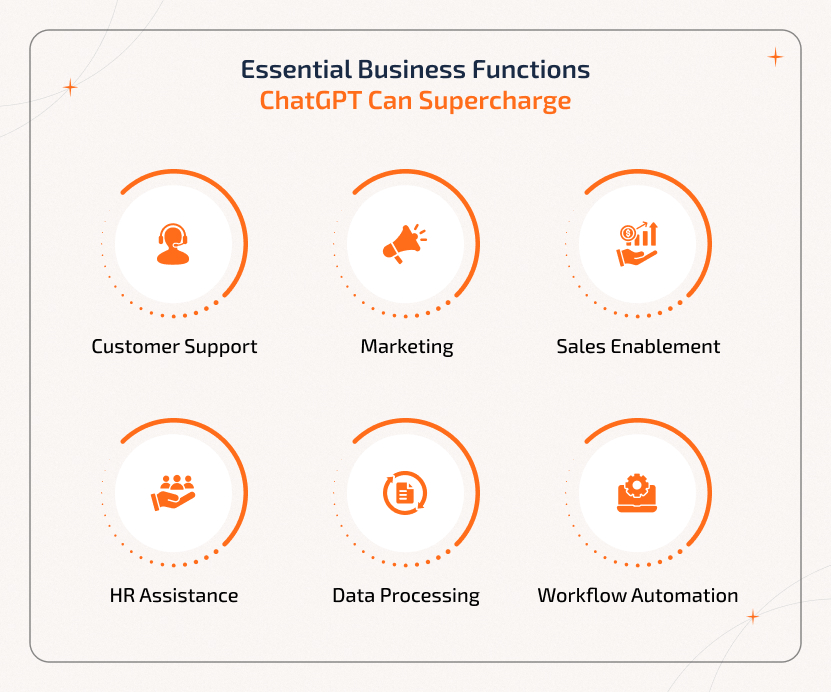
Generative AI is the most visible and widely adopted AI capability today. Tools like OpenAI’s ChatGPT and enterprise copilots are reshaping how teams work.
High-Value Use Cases
- Marketing content & SEO at scale
- Sales proposals, pitch decks, and email automation
- HR: job descriptions, screening summaries
- Legal & compliance document drafting
Business Impact
- 40–70% reduction in content turnaround time
- Lower dependency on external agencies
- Faster go-to-market execution
Executive takeaway: Generative AI is not about replacing teams — it’s about amplifying output per employee.
Predictive AI: Data-Driven Decision-Making at Scale
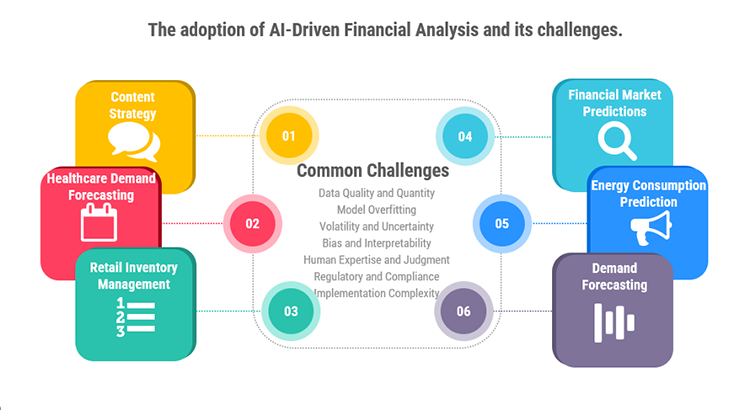
Predictive AI leverages historical and real-time data to forecast outcomes with high accuracy.
Core Business Applications
- Demand & inventory forecasting
- Customer churn prediction
- Credit risk & fraud detection
- Revenue and cash-flow forecasting
Industries Leading Adoption
- Retail & E-commerce
- BFSI (Banking, Financial Services, Insurance)
- Supply Chain & Manufacturing
Strategic value: Leaders move from reactive reporting to proactive decision intelligence.
AI(Artificial Intelligence) Agents & Automation: The Rise of Autonomous Operations
The biggest shift in 2026 is Agentic AI — systems that don’t just respond, but plan, decide, and execute.
What AI Agents Can Do
- Handle customer support end-to-end
- Monitor systems and trigger actions
- Automate finance ops (invoicing, reconciliation)
- Orchestrate multi-step business workflows
Platforms from Microsoft and Google are embedding AI agents directly into enterprise tools.
Bottom line: AI agents reduce operational overhead while increasing execution velocity.
Artificial Intelligence(AI) – Powered Personalization: Revenue Growth Engine
AI-driven personalization is now a baseline expectation, not a premium feature.
Where It Delivers Maximum ROI
- Product recommendations
- Dynamic pricing strategies
- Personalized email & ad campaigns
- Customer journey optimization
Result: Higher conversion rates, improved customer lifetime value (CLV), and stronger brand loyalty.
Artificial Intelligence in Cybersecurity & Risk Management
AI in Cybersecurity & Risk Management
Key Capabilities
- Real-time threat detection
- Behavioral anomaly analysis
- Fraud prevention systems
- Automated incident response
C-suite relevance: AI minimizes financial risk, compliance exposure, and brand damage.
What Smart Businesses Are Doing Differently
Winning organizations are:
Final Thoughts: Artificial Intelligence is the New Business Operating System
In 2026, AI is not optional.
It’s not experimental.
It’s foundational.
Businesses that embed AI into decision-making, operations, and customer engagement will dominate their markets. Those that delay will struggle to stay relevant.
The real competitive advantage is not AI itself — it’s how fast and how well you operationalize it.