Agentic AI Development Services for Autonomous Business Workflows
AINXQ helps businesses design and develop agentic AI systems that coordinate multi-step tasks, use approved tools, adapt workflows to changing context, and support complex business operations through intelligent, goal-oriented automation.
Schedule a Call
Overview
Professional Agentic AI Development Services
Agentic AI is an emerging approach to building AI-powered systems that can pursue defined objectives by planning tasks, selecting suitable tools, coordinating actions, and adapting their execution based on available information and feedback. Unlike conventional automation that relies primarily on fixed rules, agentic AI systems can support more flexible workflows within explicitly defined permissions and operational boundaries.
AINXQ provides agentic AI development services tailored to your business objectives, operational processes, data environment, and technology stack. Our approach combines large language models (LLMs), AI agent architectures, multi-agent orchestration, API integrations, retrieval-augmented generation (RAG), workflow engineering, and software development to build practical agentic applications.
Whether you want to coordinate complex customer support workflows, automate business operations, build AI-powered research systems, orchestrate enterprise processes, or introduce intelligent assistants into existing applications, we help define the appropriate architecture and level of autonomy for your use case.
Our focus is on building agentic systems with clearly defined responsibilities, controlled tool access, reliable workflow execution, evaluation mechanisms, observability, and human approval where necessary. We assess whether a single agent, a coordinated multi-agent system, or a conventional deterministic workflow is the most suitable solution for each requirement.
Our Services
Our Agentic AI Development Solutions
Our agentic AI development services cover the design, implementation, integration, evaluation, and deployment of intelligent systems that coordinate multiple steps toward defined business objectives.
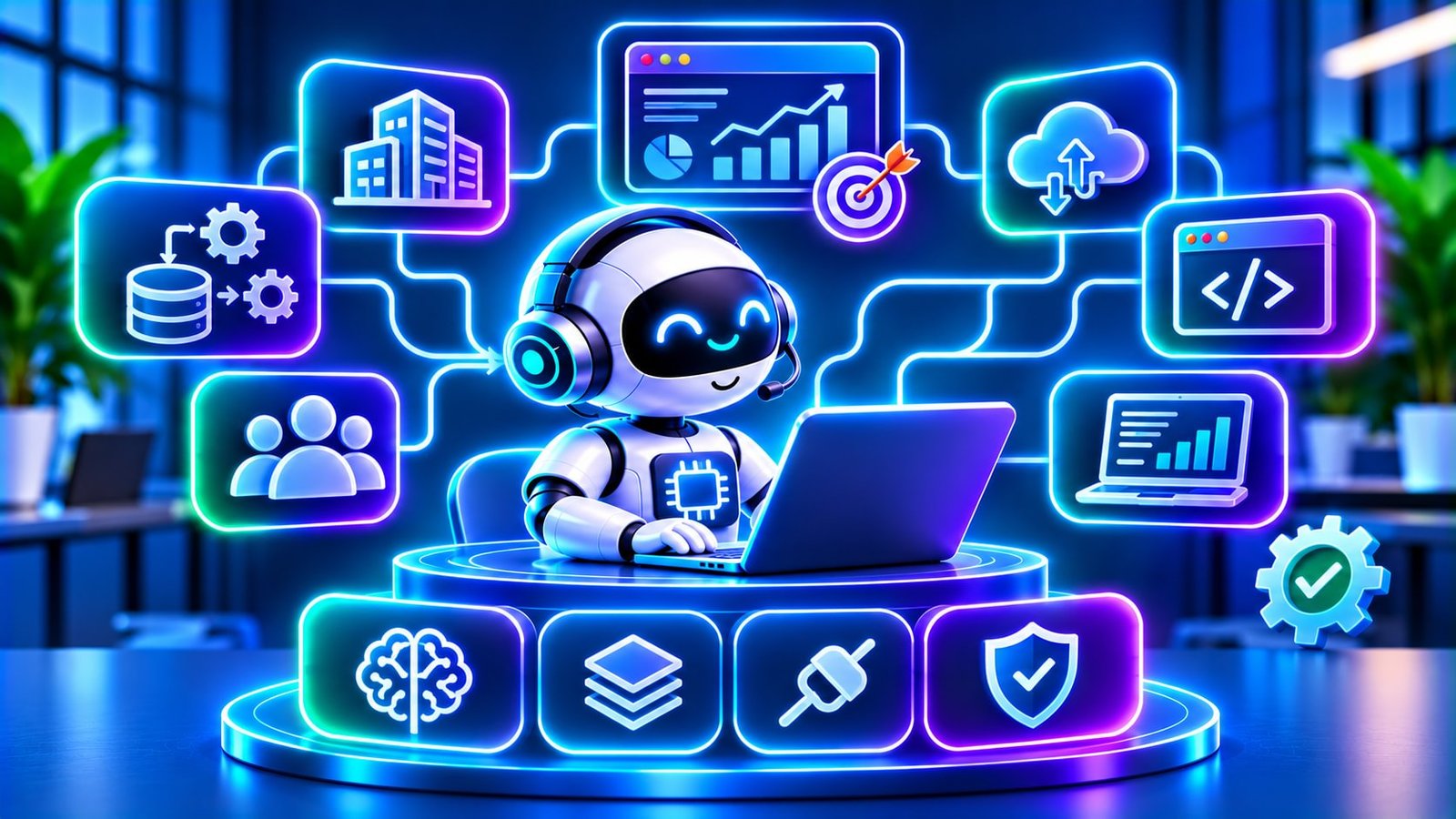
Custom Agentic AI Development
Design and develop agentic AI applications tailored to your business goals, operational requirements, information sources, and existing software environment.

Multi-Agent System Development
Build coordinated AI systems in which specialized agents handle distinct tasks, exchange relevant information, and collaborate through defined workflows and handoff mechanisms.

Autonomous Workflow Orchestration
Develop AI-powered workflows that plan and coordinate multi-step tasks, invoke approved tools, manage execution states, and respond to supported exceptions.
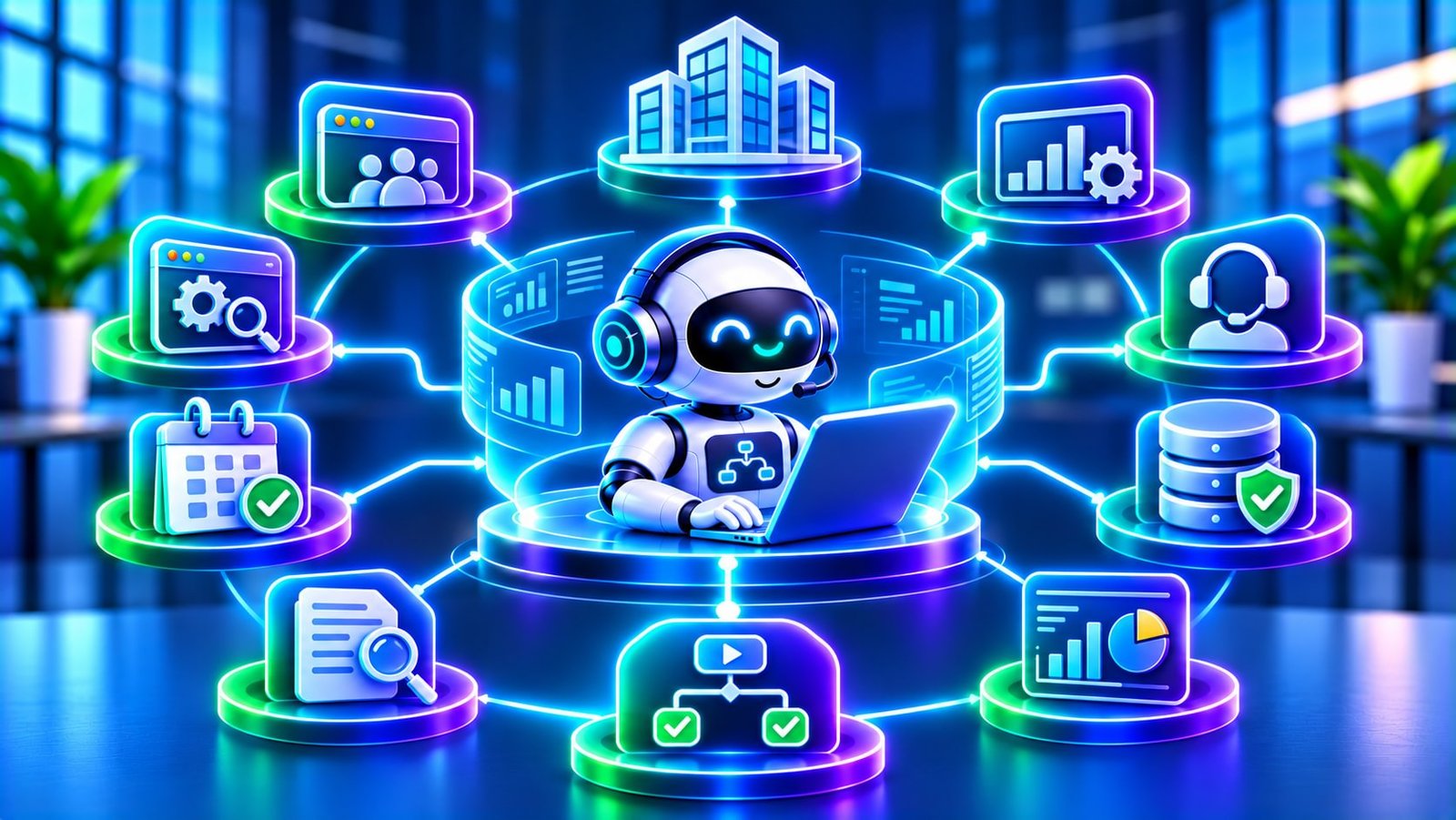
Enterprise Agentic AI Solutions
Integrate agentic AI capabilities into enterprise applications and business processes to support information retrieval, task coordination, decision support, and operational automation.
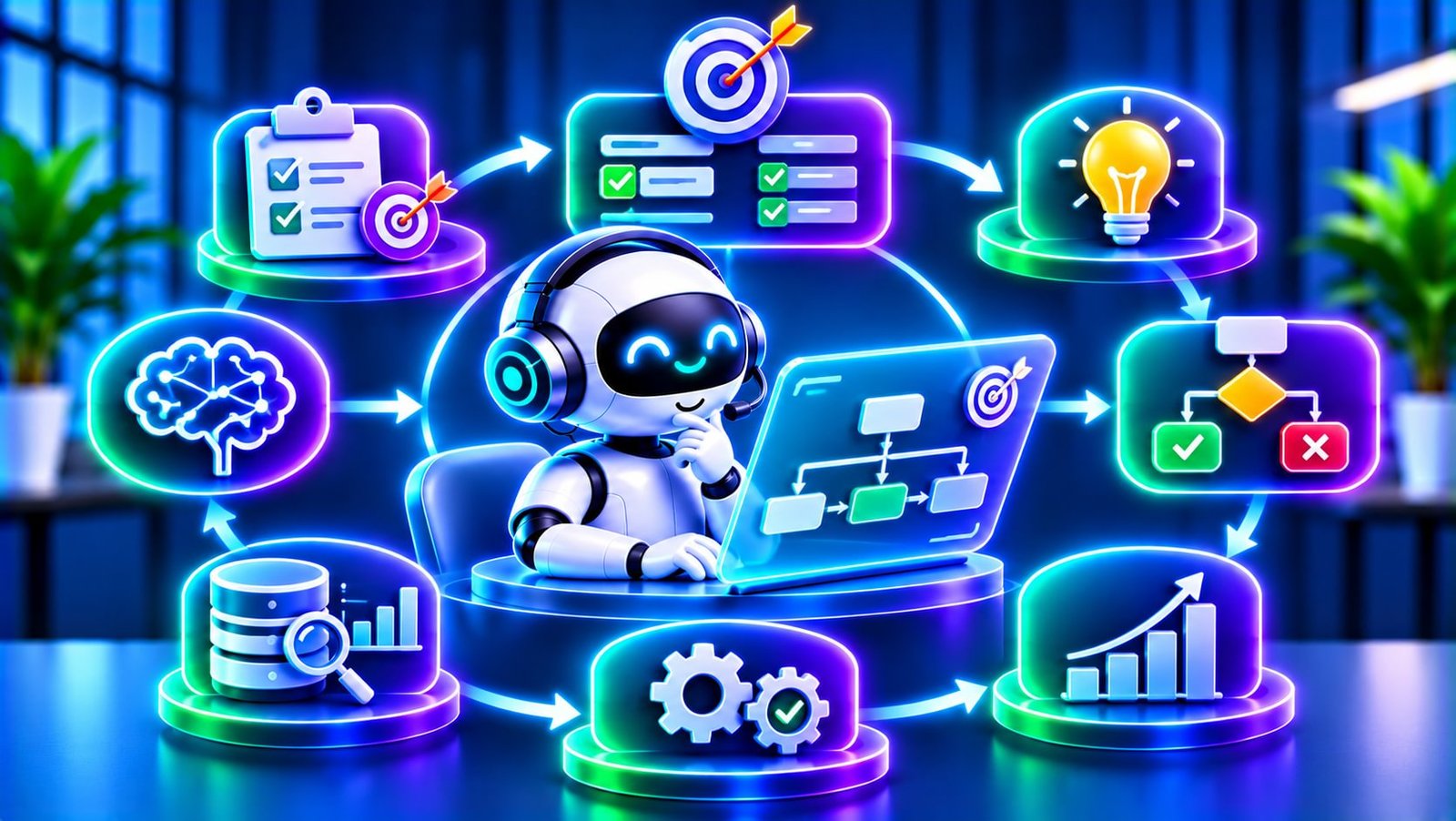
AI Planning & Decision-Support Systems
Develop systems that break objectives into manageable tasks, evaluate available information, and recommend or execute suitable next steps within defined constraints.

Research & Analysis Agent Systems
Build agents that search approved information sources, gather relevant evidence, organize findings, and prepare structured research outputs for human review.

Business Process Automation with Agentic AI
Apply agentic workflows to suitable processes involving document handling, information routing, customer inquiries, operational coordination, and compatible application integrations.

Tool-Using & API-Integrated AI Systems
Connect agentic applications with approved APIs, databases, CRM platforms, ERP systems, and internal tools to support controlled information retrieval and task execution.

Human-in-the-Loop Agentic AI
Develop workflows that request human review, approval, or intervention for sensitive actions, uncertain results, exceptions, and decisions requiring additional judgment.
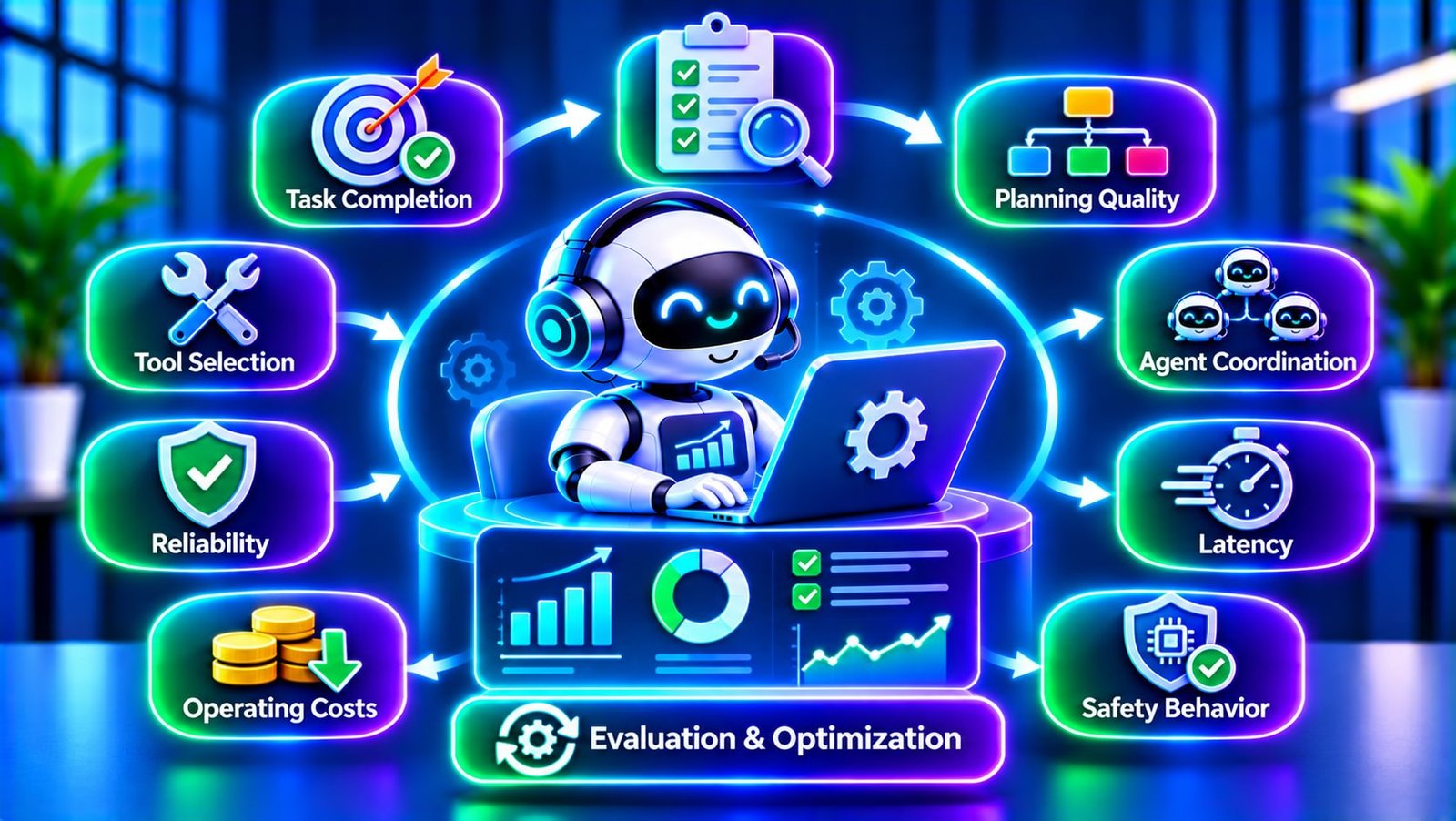
Agentic AI Evaluation & Optimization
Evaluate task completion, planning quality, tool selection, agent coordination, reliability, latency, operating costs, and safety behavior to improve system performance.
Our Process
Our Agentic AI Development Process
Our development process combines business discovery, autonomy planning, system architecture, agent orchestration, integration engineering, evaluation, and production monitoring to create an agentic AI solution aligned with your business objectives.
01
Business Discovery & Use-Case Assessment
We analyze your business objectives, operational challenges, existing workflows, data sources, users, and expected outcomes to identify where agentic AI can provide practical value.

02
Agentic Architecture & Autonomy Planning
We determine whether the solution requires a single agent, multiple specialized agents, or a hybrid workflow. We define task boundaries, decision permissions, approved tools, execution limits, and human approval requirements.

03
Workflow & Multi-Agent Design
We design task decomposition, agent responsibilities, orchestration logic, communication patterns, shared state, task handoffs, retry policies, and exception-handling workflows.

04
Agentic AI Development & Integration
We implement the selected models, agent logic, orchestration framework, tool-calling interfaces, retrieval components, APIs, data connections, and application interfaces.

05
Evaluation, Testing & Safety Validation
We test task completion, planning behavior, coordination between agents, tool-call accuracy, access controls, failure recovery, prompt-injection resistance, and performance under representative operating conditions.

06
Deployment & Production Integration
We deploy the application into the selected environment, configure authentication and permissions, validate system integrations, establish logging and monitoring, and implement appropriate operational safeguards.

07
Monitoring & Continuous Optimization
We support agreed maintenance, agent performance evaluation, workflow refinements, model and framework updates, integration improvements, and operating-cost optimization as business needs evolve.

Why Choose
AINXQ Solutions
Selecting the right development partner for agentic AI requires more than connecting a language model to a set of tools. It requires careful system design, workflow engineering, integration planning, evaluation, and operational controls. At AINXQ Solutions, we focus on building agentic applications around defined business outcomes and measurable requirements.
Business-Outcome-Driven Strategy
We identify use cases where agentic AI can address genuine operational needs and assess whether its additional complexity is justified.
Purpose-Built Agent Architecture
We design agent roles, task boundaries, orchestration patterns, and execution flows around your specific business requirements.
Controlled Autonomy & Permissions
We establish appropriate tool permissions, execution limits, approval checkpoints, and restrictions for sensitive or irreversible actions.
Multi-Agent Coordination
We design structured collaboration between specialized agents when task separation, parallel work, or distinct capabilities justify a multi-agent architecture.
Enterprise System Integration
We connect suitable agentic applications with compatible business software, APIs, knowledge repositories, databases, and internal services.
Evaluation & Failure Recovery
We assess task completion, agent coordination, tool usage, and exception handling, incorporating retries, fallbacks, and escalation mechanisms where appropriate.
Security & Operational Oversight
We consider data access, credential protection, prompt injection, auditability, monitoring, and human supervision throughout the development lifecycle.
Scalable & Maintainable Engineering
We build modular applications designed to accommodate evolving workflows, additional integrations, changing model capabilities, and growing business requirements.
Industries
Agentic AI Solutions Crafted for Industry Needs
We develop agentic AI solutions for organizations seeking to coordinate complex tasks, improve information access, and automate suitable business workflows across their operational environments.
Our solutions can support ecommerce and retail, education and training, healthcare administration, financial operations, manufacturing, logistics, real estate, recruitment, professional services, customer support, and technology companies.
Potential applications include multi-step customer service workflows, sales operations coordination, internal research, document-processing pipelines, supply-chain information analysis, employee knowledge assistance, and business process orchestration. Each use case is evaluated according to data availability, system compatibility, process complexity, operational risk, and the level of autonomy required.
For regulated or high-impact workflows, we emphasize defined decision boundaries, human review, appropriate access controls, and audit trails rather than assuming that every decision should be fully autonomous.
Scalable Web Application Development for Growing Businesses
Scalable web application development prepares an application to handle changing business demands without requiring a complete rebuild every time usage...Secure Web Application Development for Growing Businesses
Secure web application development considers security throughout planning, implementation, testing, and ongoing maintenance. This matters for any application that handles...Business Web Application Development for Growing Companies
Business web application development can help a company create online services that go beyond a standard informational website. A web...Web Application Development Services for Growing Businesses
Web application development services help growing businesses create browser-based tools for customers, employees, or business partners. These applications can support...






Case Studies
Agentic AI Development Case Studies
Explore potential applications of agentic AI for coordinating business tasks, connecting software systems, supporting research, and managing multi-step operational workflows.
Potential use cases include coordinated customer support, sales workflow orchestration, internal research agents, document review pipelines, enterprise knowledge operations, and AI-assisted business process management.
Technology Stack & Platforms
Technologies We Use
Our agentic AI development services combine language models, orchestration frameworks, integration technologies, knowledge retrieval systems, and cloud infrastructure. We select technologies based on task complexity, model capabilities, security requirements, expected workload, and the operational needs of the application.

OpenAI APIs
OpenAI APIs Support compatible conversational, reasoning, multimodal, and structured-output workflows.

Google Gemini APIs
Google Gemini APIs Support suitable conversational and multimodal chatbot use cases.

Anthropic Claude APIs
Anthropic Claude APIs Support compatible language understanding, document analysis, and assistant workflows.

Llama Model
Llama Models Provide open-weight model options for suitable chatbot deployments, subject to licensing and infrastructure requirements.

Qwen Models
Qwen Models Provide model options for supported language and other compatible tasks.

Hugging Face
Hugging Face Supports compatible language models and NLP development workflows.

LangChain
LangChain Supports LLM-powered conversational applications and integrations with compatible tools and data sources.

LlamaIndex
LlamaIndex Provides components for connecting chatbot applications with documents and knowledge repositories.
LangGraph
LangGraph Supports stateful agent workflows, controlled transitions, and human-in-the-loop execution patterns.

Microsoft Semantic Kernel
Microsoft Semantic Kernel Supports compatible AI integrations and orchestration within software applications.
AutoGen
AutoGen Provides tools for building multi-agent applications and coordinated conversational workflows, subject to the selected version and deployment requirements.
Custom Orchestration
Custom Orchestration Provides greater control over execution rules, task states, retries, approvals, and application-specific behavior where required.
Task Decomposition
Task Decomposition Structures complex objectives into manageable tasks with explicit completion criteria.
Agent Routing & Handoffs
Agent Routing & Handoffs Directs tasks to appropriate specialized agents or workflow components.
Shared State Management
Shared State Management Maintains relevant task context and execution state according to the application architecture.
Event-Driven Workflows
Event-Driven Workflows Supports asynchronous processing and event-triggered execution where appropriate.
Queues & Background Workers
Queues & Background Workers Help coordinate long-running tasks and distributed processing.
Human-in-the-Loop Controls
Human-in-the-Loop Controls Introduce review, approval, or intervention before designated actions.
Function Calling & Structured Outputs
These Support predictable model outputs and controlled interactions with application functions.

REST APIs
REST APIs Connect agents with compatible business systems and external services.

Webhooks
Webhooks Support event-driven workflows and application notifications.

Python
Python Supports agent logic, data processing, integrations, and backend services.
Node.js
Node.js Supports application APIs, integrations, and event-driven task execution.
CRM & ERP Integrations
CRM & ERP Integrations Connect agents with compatible customer management and enterprise resource planning systems.
RAG
RAG Provides relevant context from approved knowledge sources for supported agent tasks.

Pinecone
Pinecone Provides managed vector search for suitable semantic retrieval workloads.
Weaviate
Weaviate Supports vector search and related retrieval applications.

Milvus
Milvus Supports vector similarity search for compatible workloads.

pgvector
pgvector Adds vector storage and similarity search capabilities to PostgreSQL
Embedding Models & Reranking
Embedding Models Help represent information and improve retrieval relevance.

Elasticsearch & OpenSearch
These Support suitable search, indexing, and retrieval workflows.
PostgreSQL, MySQL & MongoDB
These Provide data storage options for application records, task state, and business information.

TypeScript
TypeScript Helps build maintainable application logic with static type checking.

FastAPI
FastAPI Supports API development for Python-based agent services.

WebSockets & Streaming
These Support real-time progress and response delivery where needed.
React.js
React.js Supports interactive interfaces for agent dashboards and business applications.

Next.js
Next.js Supports modern web applications with suitable routing and rendering capabilities.
Admin Dashboards
These Provide interfaces for task review, workflow monitoring, and operational oversight.

AWS
Amazon Web Services Provides infrastructure options for suitable AI applications, storage, and production workloads.

Microsoft Azure
Azure Supports application hosting and compatible enterprise integrations.
.

Google Cloud Platform
Google Cloud Provides hosting, data services, and selected managed AI capabilities.

Docker
Docker Supports consistent packaging of application and retrieval services.

Kubernetes
Kubernetes Supports container orchestration for deployments that justify its operational complexity.
Monitoring & Logging
Monitoring & Logging Help track retrieval latency, application errors, indexing status, and resource consumption.
Evaluation & Observability
These Support ongoing assessment of task outcomes, system reliability, and operational performance.
Secrets Management
It Helps protect API keys, credentials, and other sensitive integration information.
Frequently Asked Questions
Related Services
Explore related AINXQ services that help organizations build intelligent applications, integrate AI into business systems, and automate suitable operational workflows.
AI Development Services
Develop AI-powered applications that address business challenges through suitable models, software integration, and automation.
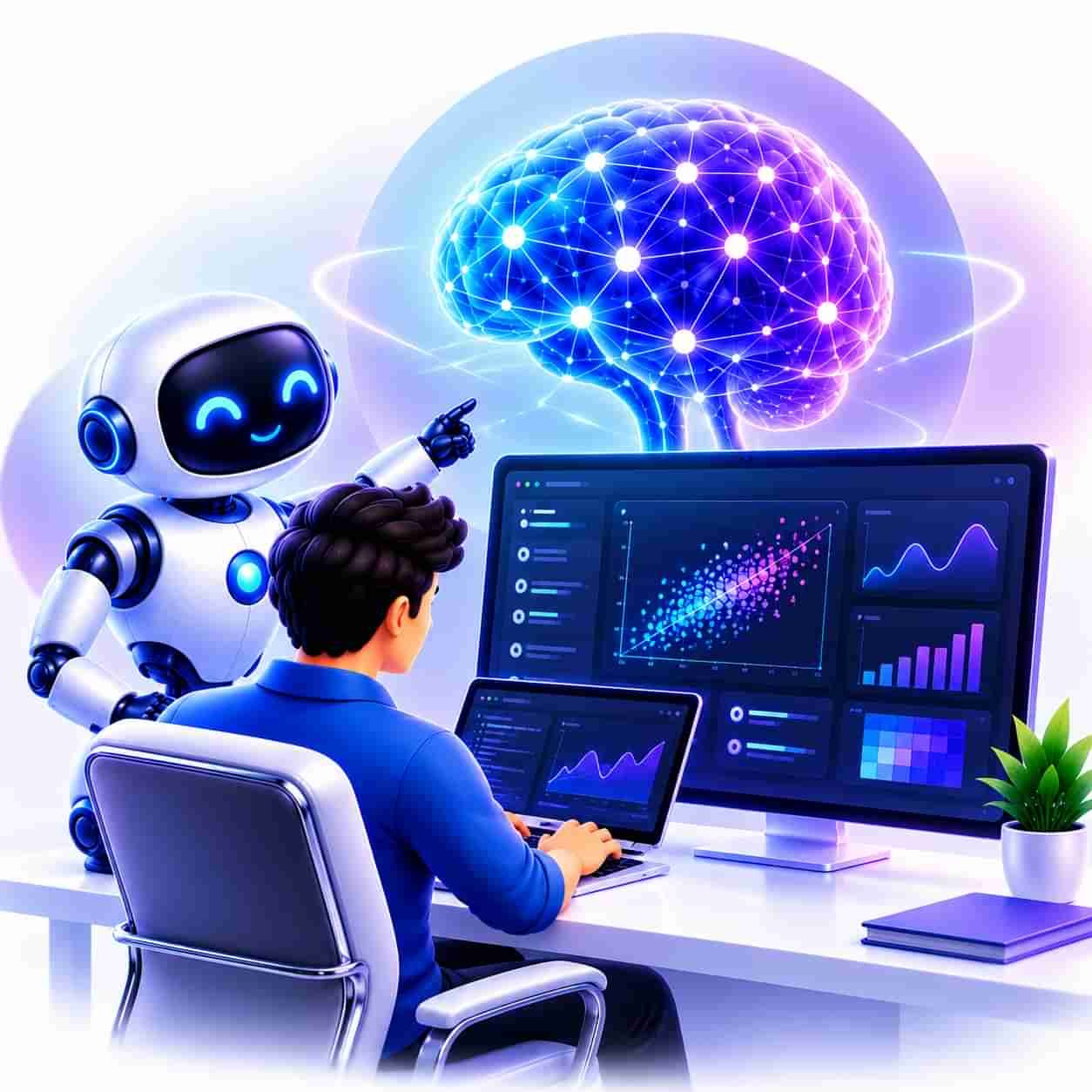
Machine Learning Development
Build predictive, classification, recommendation, and analytical systems using appropriate machine learning techniques.
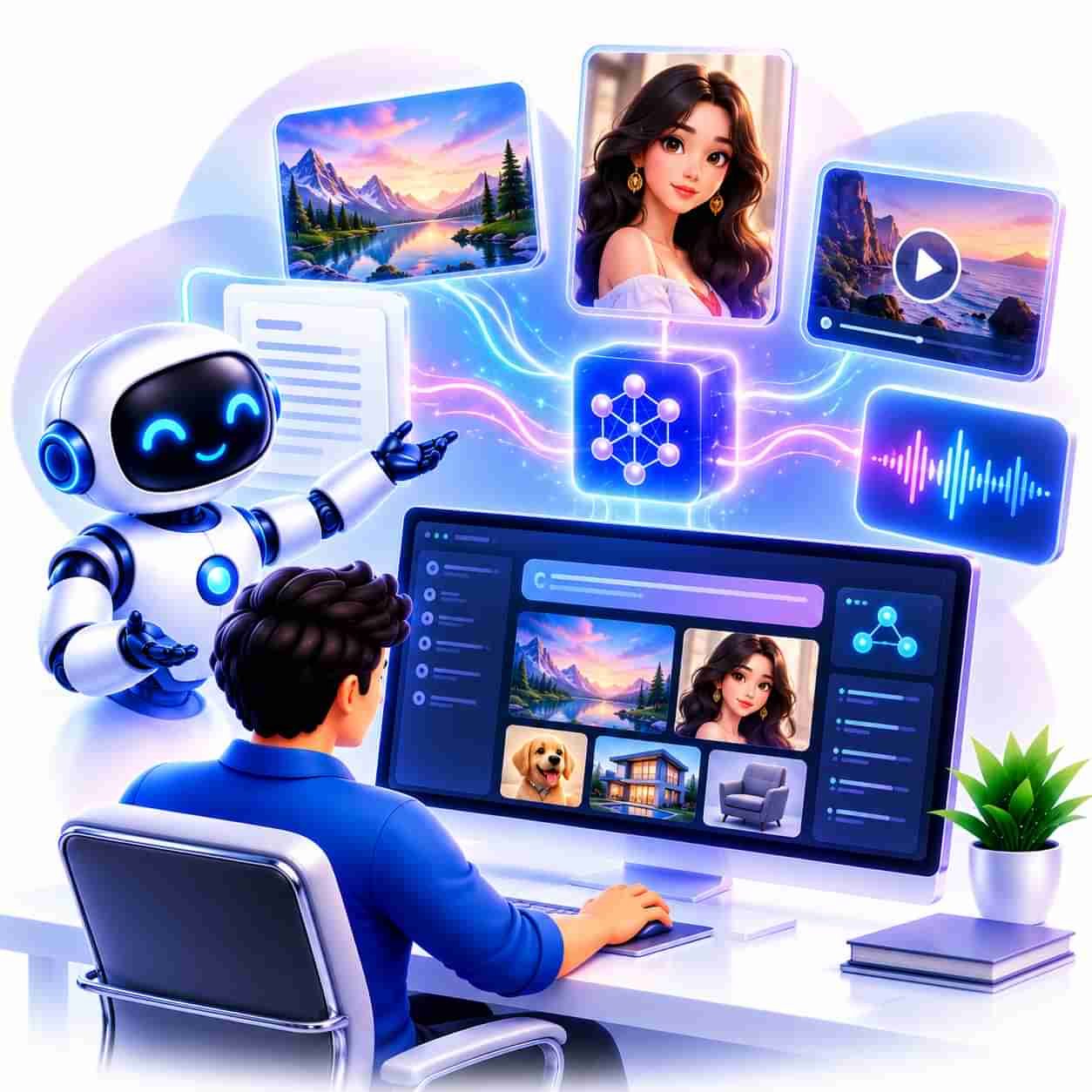
Generative AI Development
Develop applications that generate, summarize, transform, and process content using suitable generative AI models.
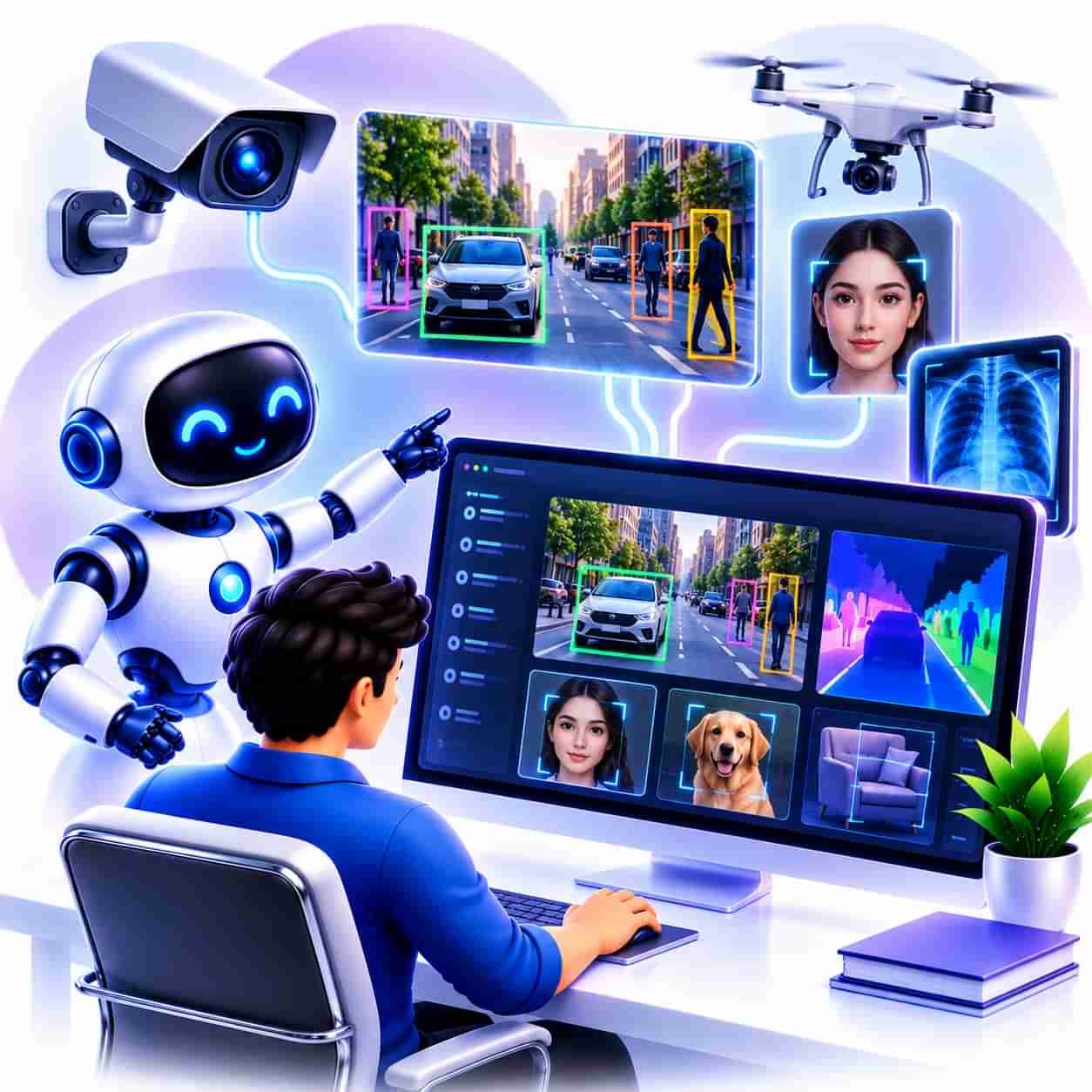
Computer Vision Development
Create image and video analysis applications for object detection, visual inspection, classification, and document processing.
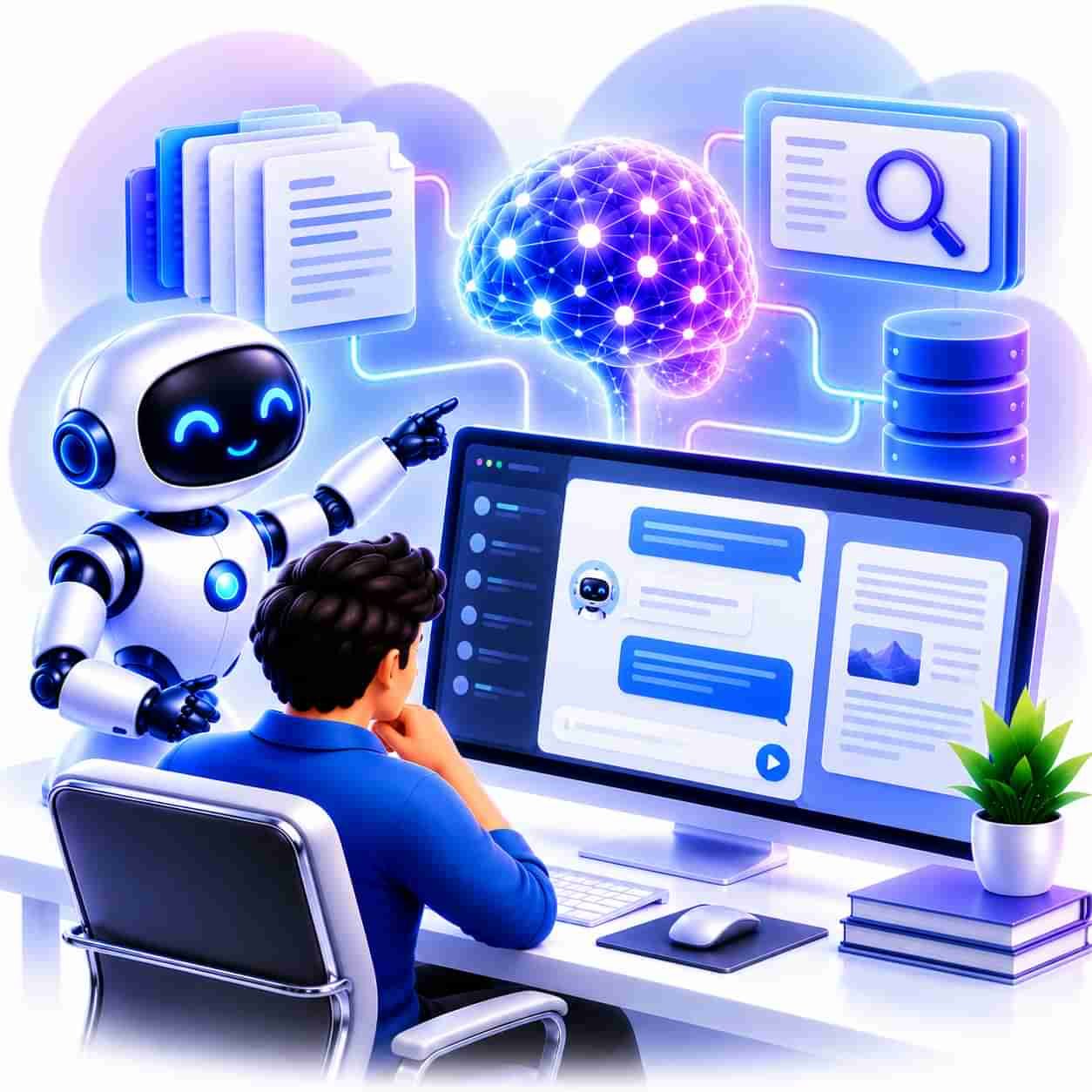
LLM Application Development
Build large language model applications for conversational interfaces, document processing, knowledge retrieval, and intelligent workflows.
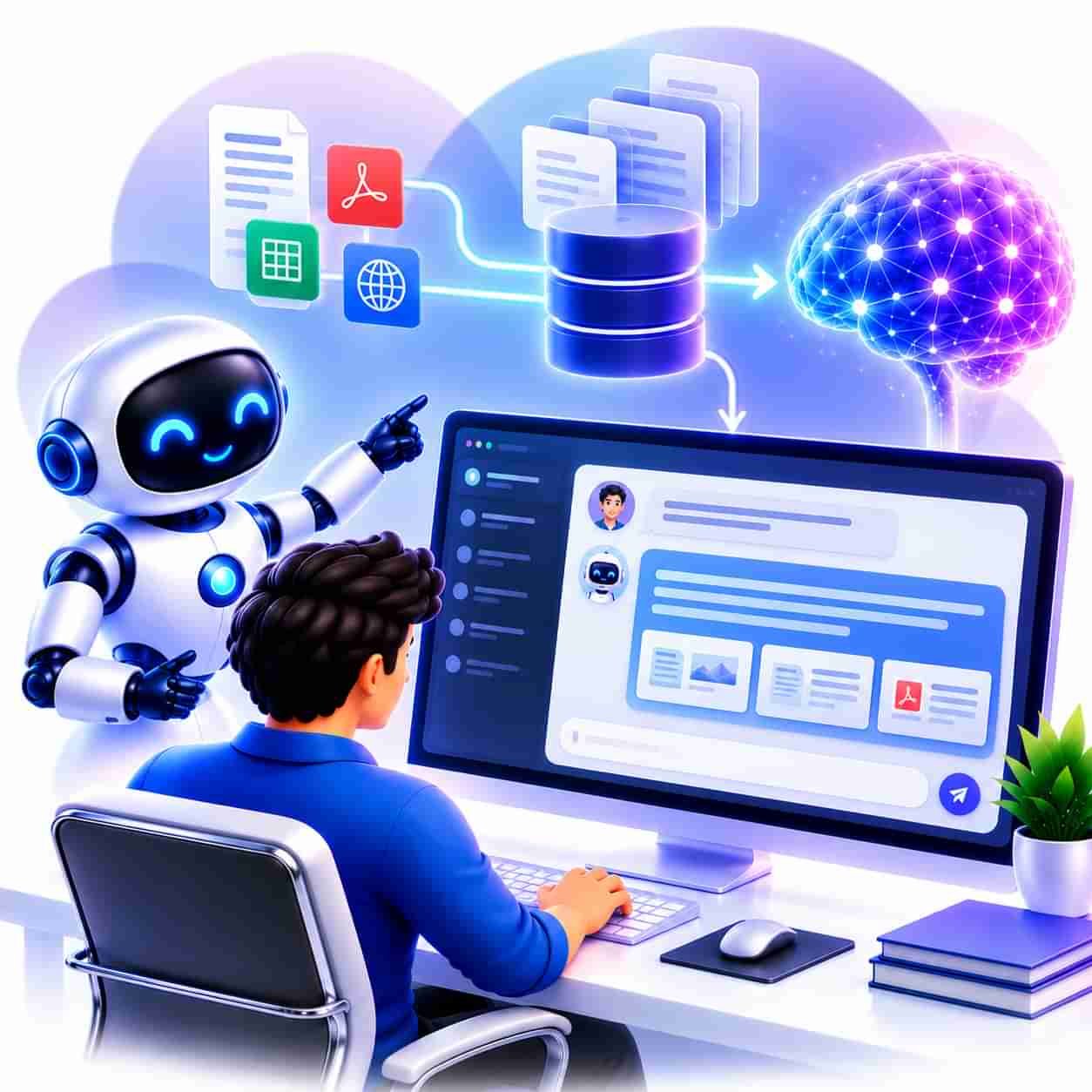
RAG Application Development
Connect AI applications with approved knowledge sources to provide responses grounded in relevant business information.
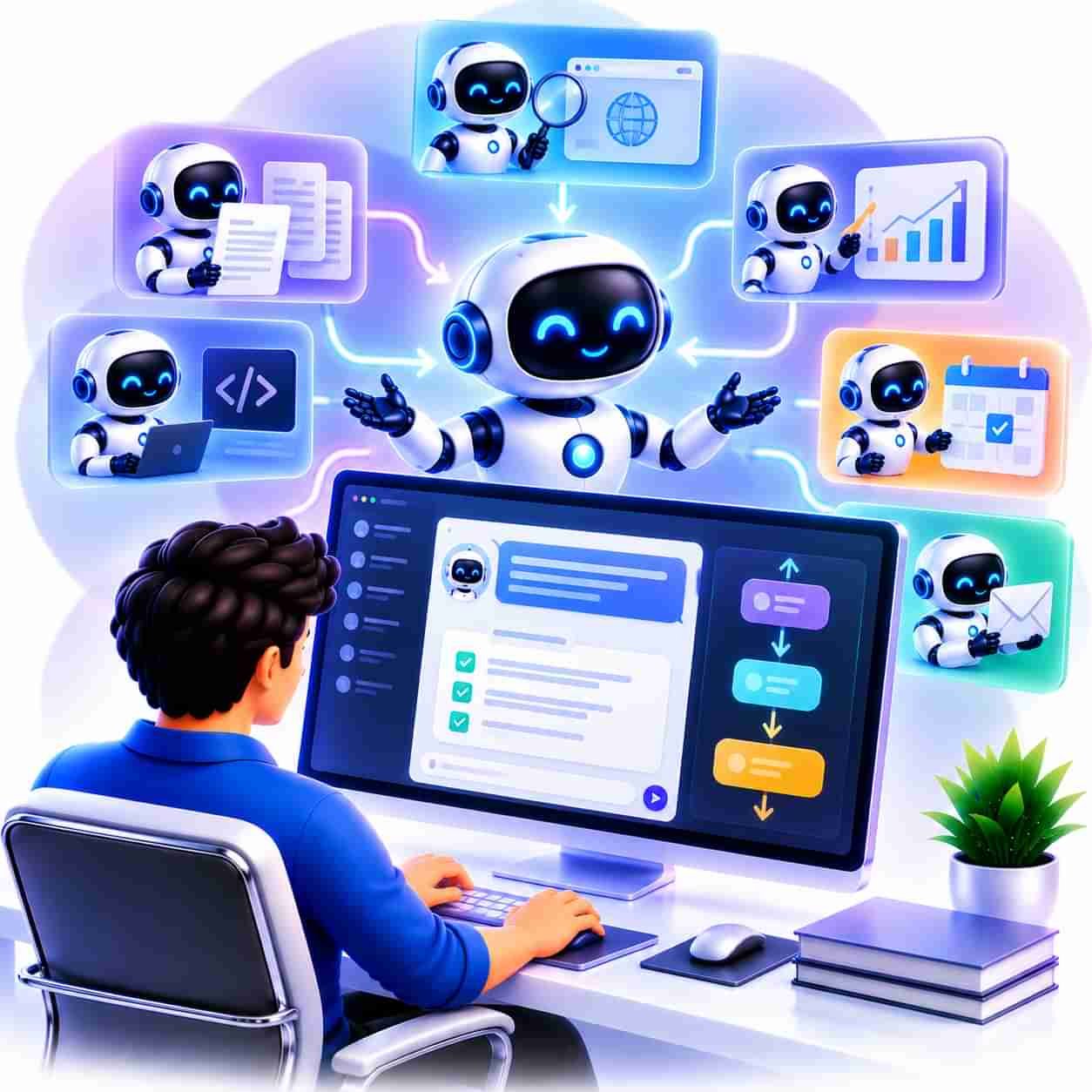
AI Agent Development
Create intuitive and engaging digital experiences that improve usability and customer satisfaction.
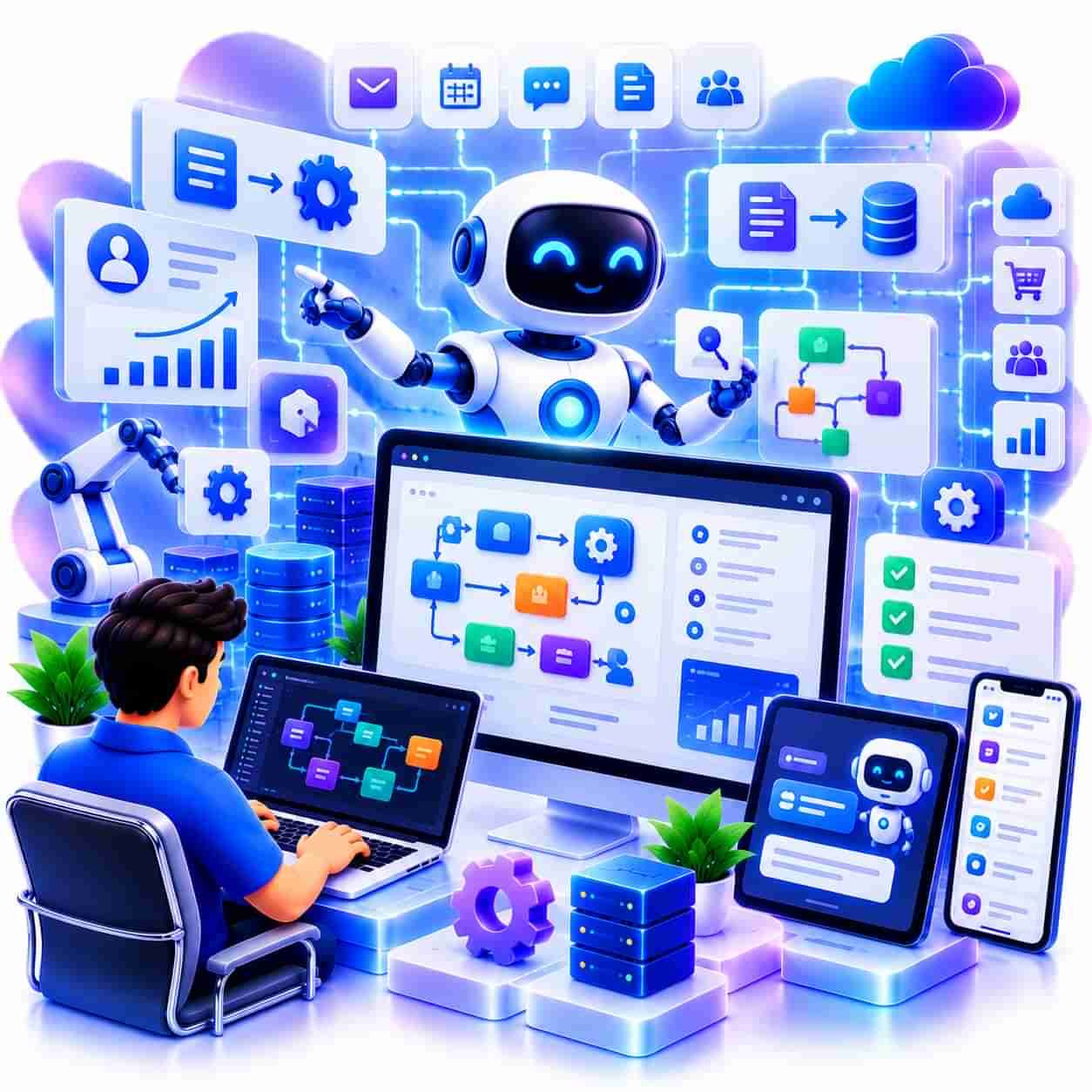
AI Automation Services
Design modern, user-focused website interfaces that enhance engagement and conversion rates.
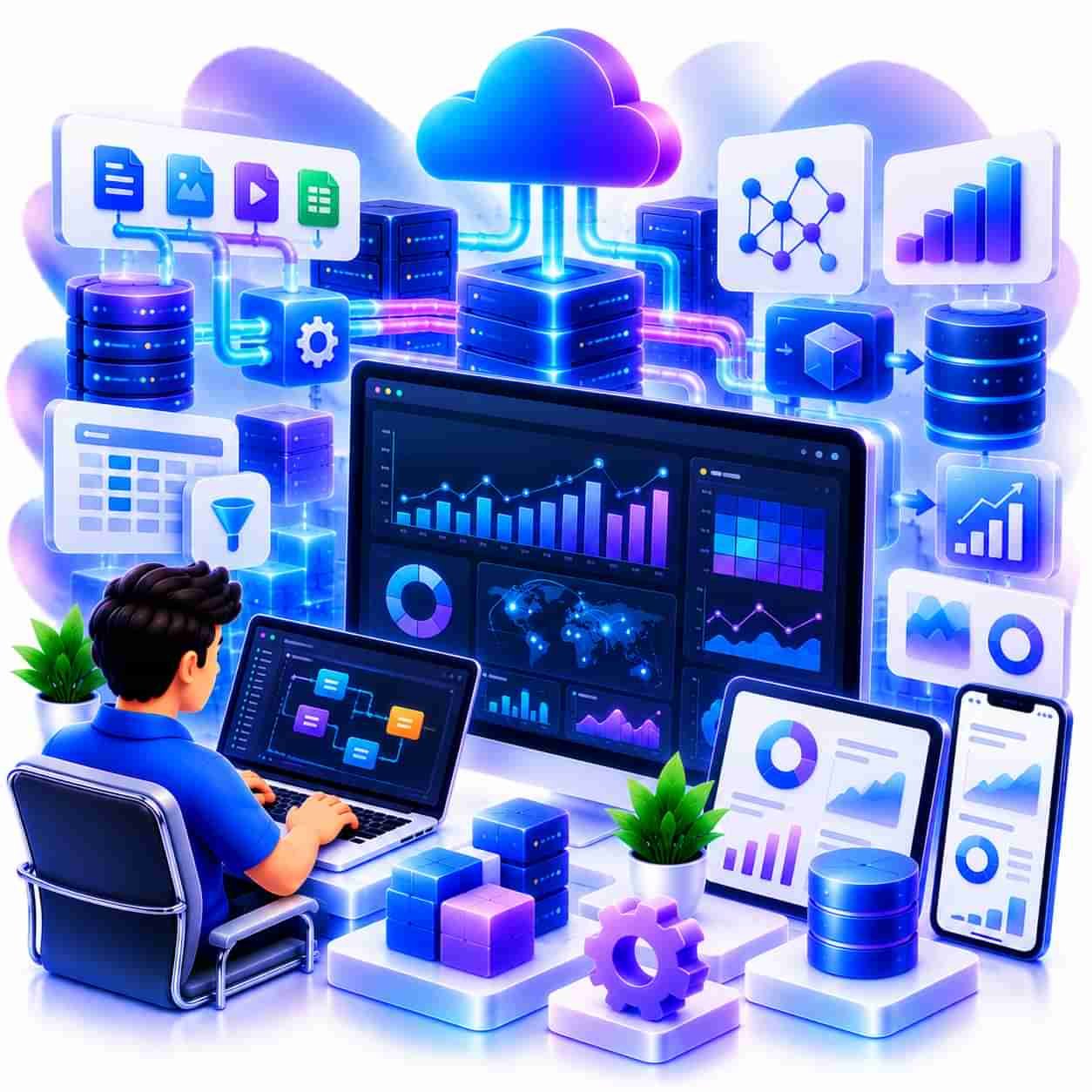
Data Engineering & Analytics Platforms
Build data pipelines and analytics systems that prepare, process, and organize information for reporting and AI applications.
Custom Business Software Development
Build a consistent visual identity that communicates your brand's personality and values.
IoT Application Development
Connect compatible devices, sensors, and data sources with software applications for monitoring and connected operational workflows.

SaaS Development
Build cloud-based software products with computer vision features, user management, application integrations, and suitable deployment architecture.
Blogs
Latest Insights & Updates
Explore agentic AI development guides, multi-agent system architecture, autonomous workflow orchestration, AI planning, enterprise AI integration, agent evaluation, human-in-the-loop systems, AI security, and production deployment strategies from the AINXQ Solutions team.
Scalable Web Application Development for Growing Businesses
Scalable web application development prepares an application to handle changing business demands without requiring a complete rebuild every time usage...Secure Web Application Development for Growing Businesses
Secure web application development considers security throughout planning, implementation, testing, and ongoing maintenance. This matters for any application that handles...Business Web Application Development for Growing Companies
Business web application development can help a company create online services that go beyond a standard informational website. A web...