
Machine Learning Development Services for Data-Driven Businesses
Our machine learning development services help startups, businesses, and enterprises transform data into actionable insights, automate analytical tasks, improve forecasting, and build intelligent applications using custom machine learning models and predictive analytics solutions.
Schedule a Call
Overview
Professional Machine Learning Development Services
Businesses generate data across sales, customer interactions, operations, transactions, and digital platforms. When analyzed effectively, this data can reveal patterns, predict outcomes, identify anomalies, and support better business decisions. Machine learning enables applications to learn patterns from data and use those patterns to make predictions or classifications without relying entirely on manually defined rules.
AINXQ provides machine learning development services tailored to your business objectives, available datasets, technical environment, and operational requirements. Our approach combines data preparation, exploratory analysis, feature engineering, model selection, model training, evaluation, deployment, and monitoring to build practical machine learning solutions.
From predictive analytics and customer segmentation to recommendation engines, demand forecasting, anomaly detection, and intelligent business applications, we develop solutions designed around specific use cases. We focus on selecting appropriate algorithms, validating model performance, and integrating trained models into applications and workflows where their outputs can provide measurable business value.
Our Services
Our Machine Learning Development Solutions
Our machine learning services cover the complete model development lifecycle, helping organizations extract insights from data, improve prediction quality, automate analytical processes, and incorporate machine learning into their products and operations.

Custom Machine Learning Model Development
Develop machine learning models tailored to your business problem, dataset, prediction objectives, and performance requirements.

Predictive Analytics & Forecasting
Build models to estimate demand, sales, customer behavior, operational trends, and other outcomes using suitable historical and contextual data.
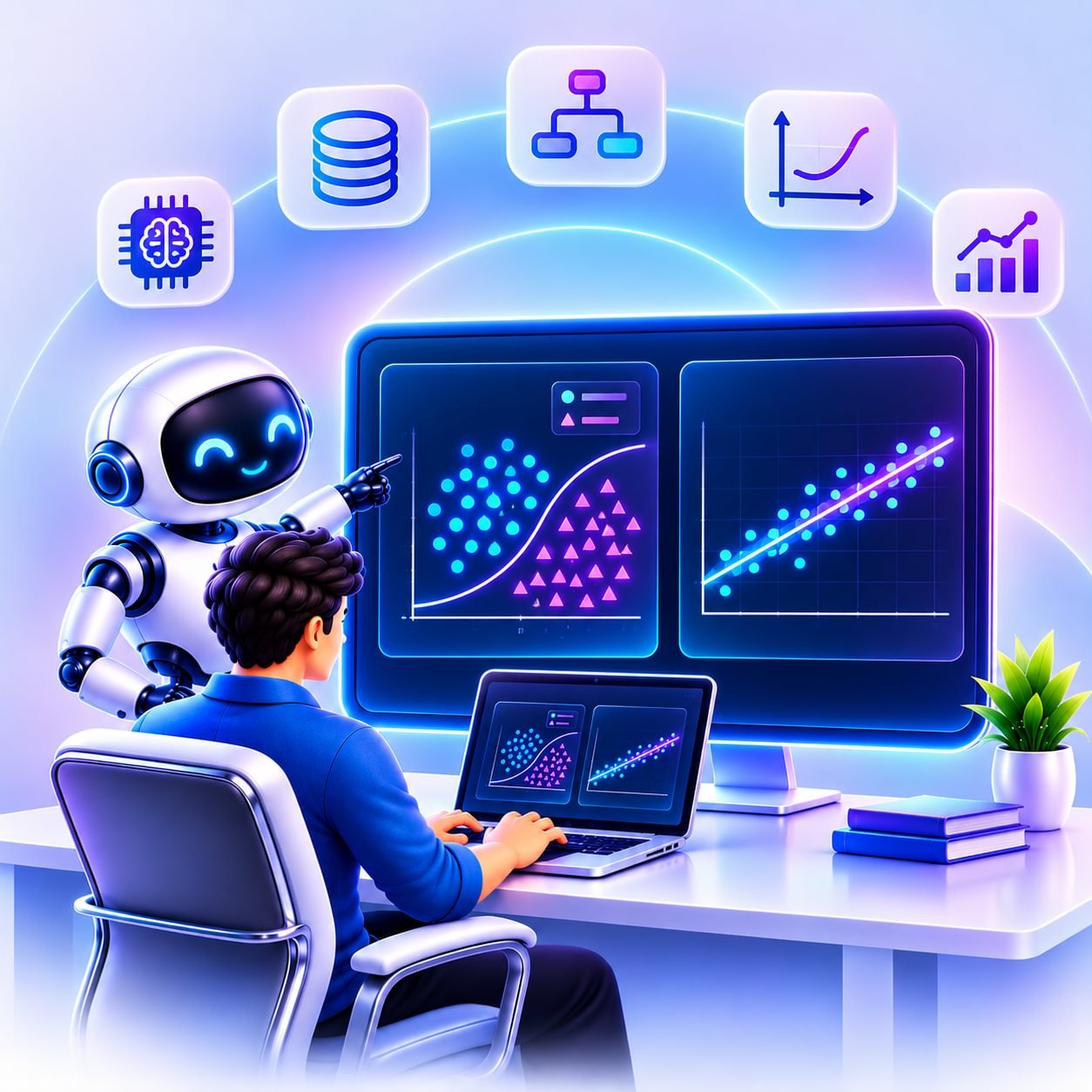
Classification & Regression Models
Develop classification systems for categorizing records and regression models for predicting continuous values such as demand, costs, or delivery times.

Recommendation Engine Development
Build recommendation systems that help personalize products, services, content, or relevant options using appropriate user behavior and contextual information.
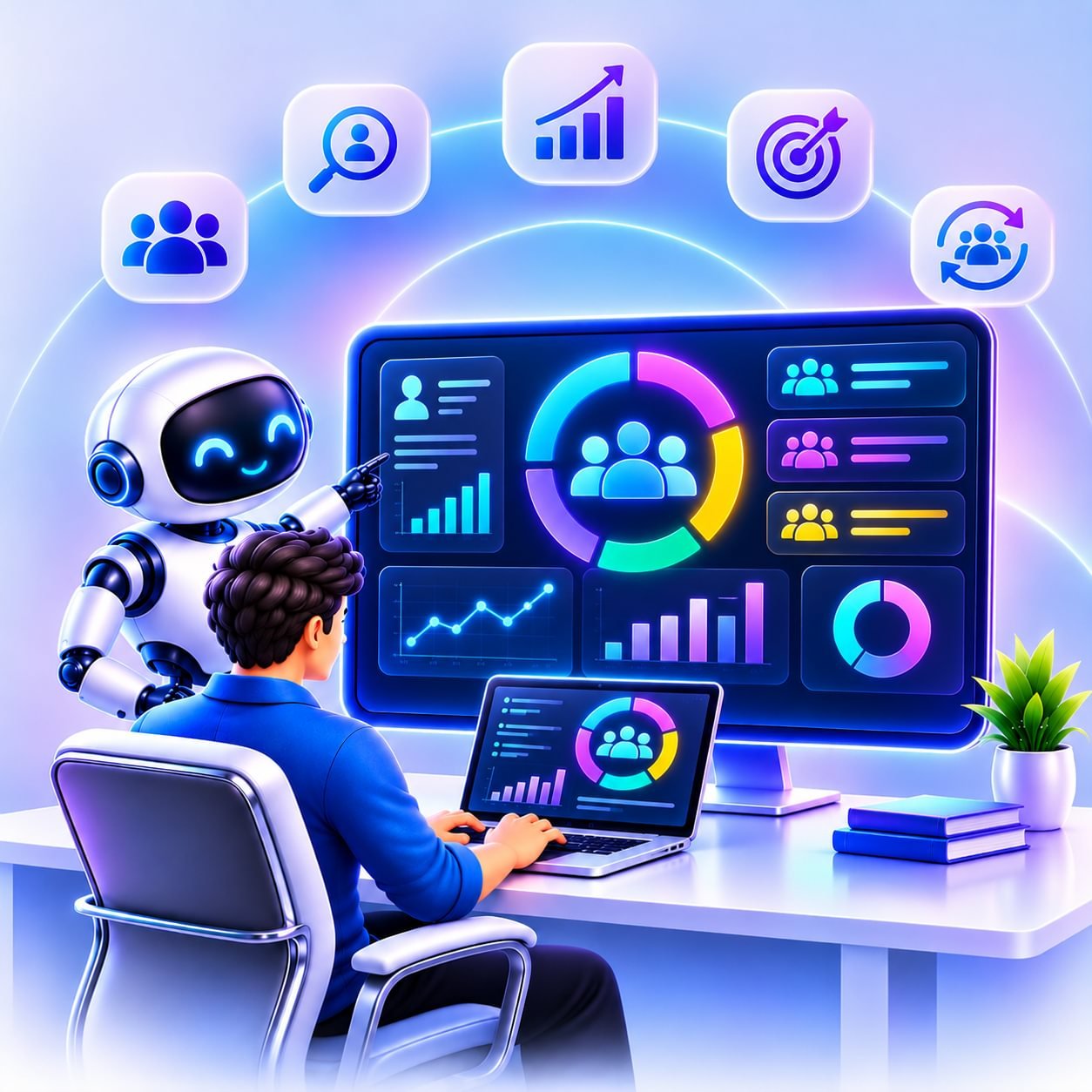
Customer Segmentation & Behavior Analysis
Identify meaningful customer groups and behavioral patterns to support targeted engagement, product planning, retention strategies, and business analysis.

Anomaly Detection & Fraud Pattern Analysis
Develop models that identify unusual transactions, operational deviations, suspicious patterns, or unexpected system behavior for further investigation.

Computer Vision & NLP Model Development
Build machine learning solutions for image classification, visual recognition, text classification, information extraction, and other suitable language or vision tasks.
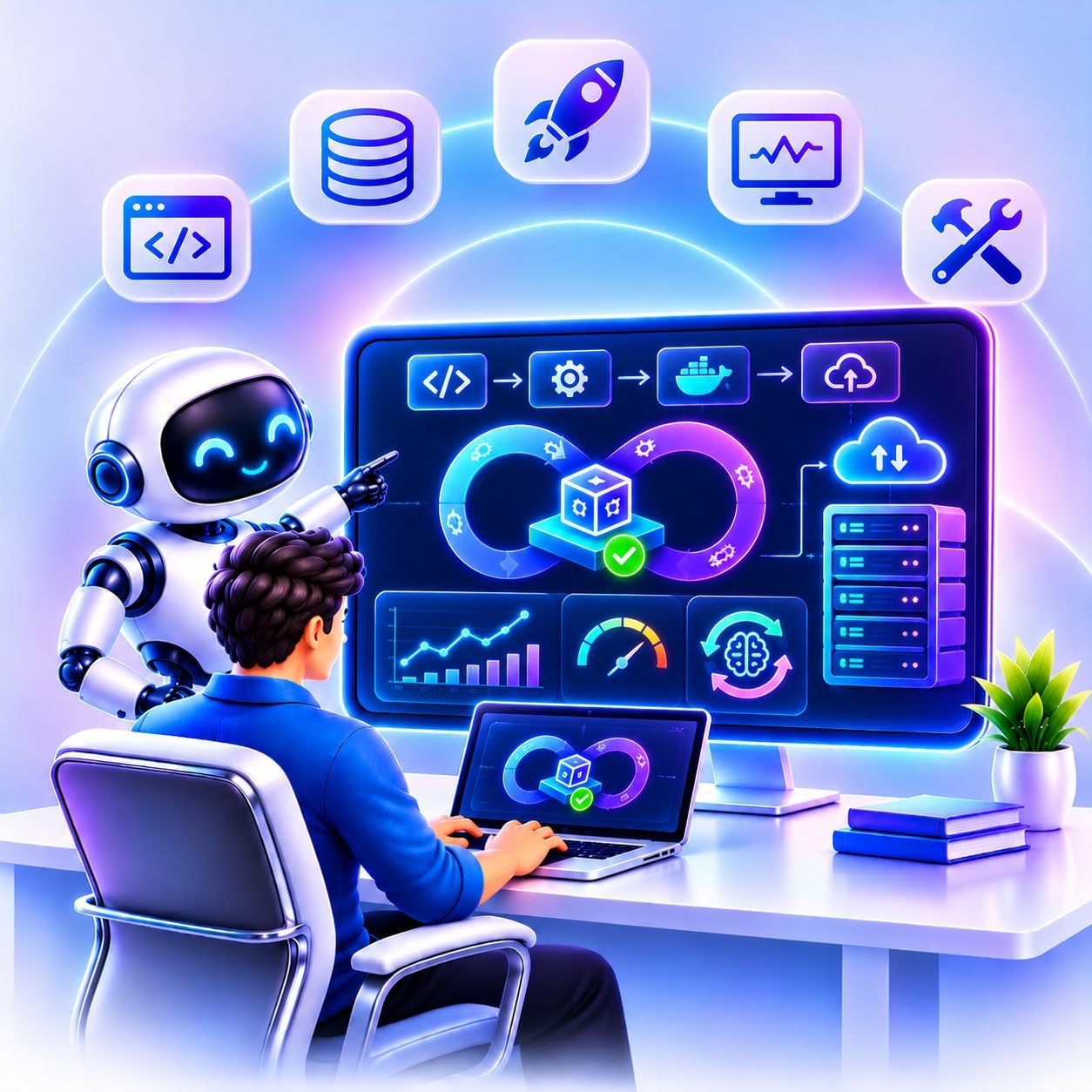
MLOps, Deployment & Model Maintenance
Deploy trained models into suitable environments, automate model delivery workflows, monitor performance, and support retraining and maintenance as requirements evolve.
Our Process
Our Machine Learning Development Process
Our machine learning development process combines business problem definition, data assessment, model engineering, evaluation, deployment, and ongoing monitoring to deliver solutions that address practical business needs.
01
Discovery & Problem Definition
We identify the business problem, prediction target, intended users, decision-making workflow, success criteria, and constraints that will guide the machine learning solution.

02
Data Collection & Preparation
Our team assesses available datasets, data quality, missing values, consistency, labeling requirements, and potential data leakage before preparing the data for modeling.

03
Exploratory Analysis & Feature Engineering
We analyze distributions, relationships, trends, and potential predictive signals, then create and select relevant features to improve model suitability.

04
Model Development & Training
We select appropriate algorithms, establish baseline models, train candidate models, and tune relevant parameters using suitable validation methods.

05
Model Evaluation & Quality Assurance
We evaluate performance using metrics appropriate to the problem, check generalization, assess error patterns, and test robustness against relevant edge cases.

06
Model Deployment & Integration
We deploy the selected model through a suitable API, batch-processing pipeline, application integration, or other deployment approach based on operational needs.

07
Monitoring & Continuous Improvement
We monitor agreed performance indicators, data changes, prediction quality, and system behavior, supporting retraining or model updates when justified by evidence.

Why Choose
AINXQ Solutions
Choosing the right machine learning development partner is essential for turning data into reliable predictions and useful business capabilities. At AINXQ Solutions, we combine data analysis, model engineering, application development, and deployment practices to build machine learning solutions around defined business objectives.
Business-Problem-First Approach
We begin with the business question and identify whether machine learning is appropriate before selecting algorithms or building models.
Data Quality & Preparation
We assess dataset completeness, consistency, relevance, and potential bias because reliable model performance depends on the quality and suitability of the underlying data.
Appropriate Model Selection
We evaluate suitable approaches, from statistical baselines and classical machine learning to deep learning, based on the use case, available data, accuracy requirements, and operating constraints.
Rigorous Model Evaluation
We select relevant evaluation metrics, use appropriate validation strategies, and examine model errors rather than relying on a single headline accuracy score.
Application & System Integration
We integrate trained models with compatible websites, SaaS products, dashboards, APIs, databases, and business workflows.
Scalable Model Deployment
We design deployment approaches that fit the workload, including real-time prediction APIs, scheduled batch processing, and suitable cloud or local environments.
Monitoring & Maintainability
We plan for model monitoring, data quality checks, version management, and retraining when performance or data changes indicate a need.
Responsible Machine Learning
We consider privacy, data security, bias, explainability, and human review requirements, particularly when predictions influence important business or customer decisions.
Industries
Machine Learning Solutions Crafted for Industry Needs
We develop machine learning solutions for organizations across diverse industries, helping businesses identify patterns, forecast outcomes, automate analysis, and support more informed decisions.
Our solutions can support retail and ecommerce, manufacturing, logistics, healthcare administration, financial services, education, real estate, agriculture, marketing, and technology companies. Each implementation is scoped according to the business objective, available data, operational environment, model risk, and applicable regulatory requirements.
Scalable Web Application Development for Growing Businesses
Scalable web application development prepares an application to handle changing business demands without requiring a complete rebuild every time usage...Secure Web Application Development for Growing Businesses
Secure web application development considers security throughout planning, implementation, testing, and ongoing maintenance. This matters for any application that handles...Business Web Application Development for Growing Companies
Business web application development can help a company create online services that go beyond a standard informational website. A web...Web Application Development Services for Growing Businesses
Web application development services help growing businesses create browser-based tools for customers, employees, or business partners. These applications can support...






Case Studies
Machine Learning Development Case Studies
Explore how machine learning can help businesses forecast demand, classify information, identify unusual patterns, personalize user experiences, and improve operational decision-making.
Potential project use cases include sales forecasting for retail businesses, predictive maintenance for industrial equipment, customer churn prediction for subscription services, recommendation systems for ecommerce platforms, and anomaly detection for transaction monitoring.
Scalable Web Application Development for Growing Businesses
Scalable web application development prepares an application to handle changing business demands without requiring a complete rebuild every time usage...Secure Web Application Development for Growing Businesses
Secure web application development considers security throughout planning, implementation, testing, and ongoing maintenance. This matters for any application that handles...Business Web Application Development for Growing Companies
Business web application development can help a company create online services that go beyond a standard informational website. A web...
Technology Stack & Platforms
Technologies We Use
Our machine learning development services use established data science libraries, model training frameworks, data processing tools, deployment technologies, and monitoring systems selected according to project requirements.

PyTorch
PyTorch Supports deep learning model development, experimentation, and training workflows.

TensorFlow
TensorFlow Supports machine learning and deep learning development for compatible use cases.
scikit-learn
scikit-learn Provides machine learning algorithms for classification, regression, clustering, and related analytical tasks.

XGBoost
XGBoost Supports gradient-boosted models for suitable structured-data prediction and classification problems.

LightGBM
LightGBM Provides gradient-boosting capabilities for compatible large-scale tabular datasets.

CatBoost
CatBoost Supports gradient boosting, including workflows involving categorical features.

OpenAI APIs
OpenAI APIs Support compatible language, reasoning, multimodal, and structured-output workflows.

Google Gemini APIs
Google Gemini APIs Support suitable generative AI and multimodal application use cases.

Anthropic Claude APIs
Anthropic Claude APIs Support compatible language processing, analysis, and assistant workflows.

Open-Weight Models
Open-Weight Models Models such as Llama and Qwen can support suitable self-hosted or managed deployment approaches, subject to licensing, hardware, and infrastructure requirements.

Hugging Face
Hugging Face Provides model discovery, development libraries, and deployment options for supported AI workloads.

Prompt Engineering & Structured Outputs
Prompt Engineering & Structured Outputs Help guide model behavior and format responses for application workflows.

Jupyter Notebook
Jupyter Notebook Supports exploratory data analysis, experimentation, visualization, and reproducible development workflows.

Matplotlib & Seaborn
Matplotlib & Seaborn Support data visualization and exploratory analysis.
MLflow
MLflow Supports experiment tracking and model lifecycle workflows.

Optuna
Optuna Supports hyperparameter optimization for compatible model development workflows.

SHAP
SHAP Helps analyze feature contributions and interpret model predictions for supported model types.

Validation & Testing Pipelines
It Supports appropriate data splitting, cross-validation, metric calculation, and model quality checks.
Hugging Face Transformers
Hugging Face Transformers Supports pretrained and custom transformer-based models for language and vision tasks.

OpenCV
OpenCV Supports image processing and computer vision workflows.

Natural Language Processing Libraries
Natural Language Processing Libraries Support text preprocessing, classification, extraction, and language analysis.

Embedding Models
Embedding Models Support semantic representation and similarity-based applications.
PyTorch Vision Tools
PyTorch Vision Tools Support compatible image and video modeling workflows.

Time-Series Libraries
Time-Series Libraries Support suitable forecasting, trend analysis, and temporal modeling use cases.
Python
Python Supports data preparation, exploratory analysis, feature engineering, model development, and automation.

Pandas
Pandas Supports data cleaning, transformation, aggregation, and structured data analysis.

NumPy
NumPy Supports numerical computation and array-based data processing.

Apache Spark
Apache Spark Supports distributed data processing for suitable large-scale workloads.

Polars
Polars Provides efficient DataFrame processing for suitable data workloads.
SQL
SQL Supports querying, transforming, and validating data stored in relational databases.

PostgreSQL
PostgreSQL Supports structured data storage and relational workflows.

MySQL
MySQL Provides relational database capabilities for suitable applications.

MongoDB
MongoDB Supports document-oriented data storage where flexible data structures are appropriate.

Data Warehouses
Data Warehouses Suitable platforms can centralize analytical data for reporting and machine learning workflows.
ETL/ELT Pipelines
ETL/ELT Pipelines Support data extraction, transformation, validation, and loading.

Data Quality Monitoring
Data Quality Monitoring Helps detect missing values, schema changes, unexpected distributions, and other data issues.
AWS
Amazon Web Services Supports suitable hosting and cloud infrastructure configurations.

Microsoft Azure
Azure Supports enterprise application deployment and cloud integrations.
.

Google Cloud Platform
Google Cloud Provides infrastructure options for compatible ecommerce workloads.

Docker/Kubernetes
It Supports consistent packaging of AI services and application components and Supports container orchestration for workloads that justify its operational complexity.
MLflow
DigitalOcean Offers hosting infrastructure for appropriately configured WooCommerce stores.

Monitoring & Logging Tools
CDN & Caching Improve asset delivery and performance when correctly configured.

FastAPI
FastAPI Supports serving trained models through application programming interfaces.

CI/CD Pipelines
CI/CD Pipelines Automate appropriate testing, packaging, and deployment stages.
Frequently Asked Questions
Related Services
Explore complementary AINXQ services that help businesses build intelligent applications, process data, and integrate machine learning into their digital platforms.

AI Development Services
Identify practical AI opportunities and build intelligent applications tailored to business requirements.

Generative AI Development
Develop applications that generate, summarize, transform, and process content using suitable generative AI models.

Computer Vision Development
Build image and video analysis solutions for object detection, visual inspection, classification, and document processing.
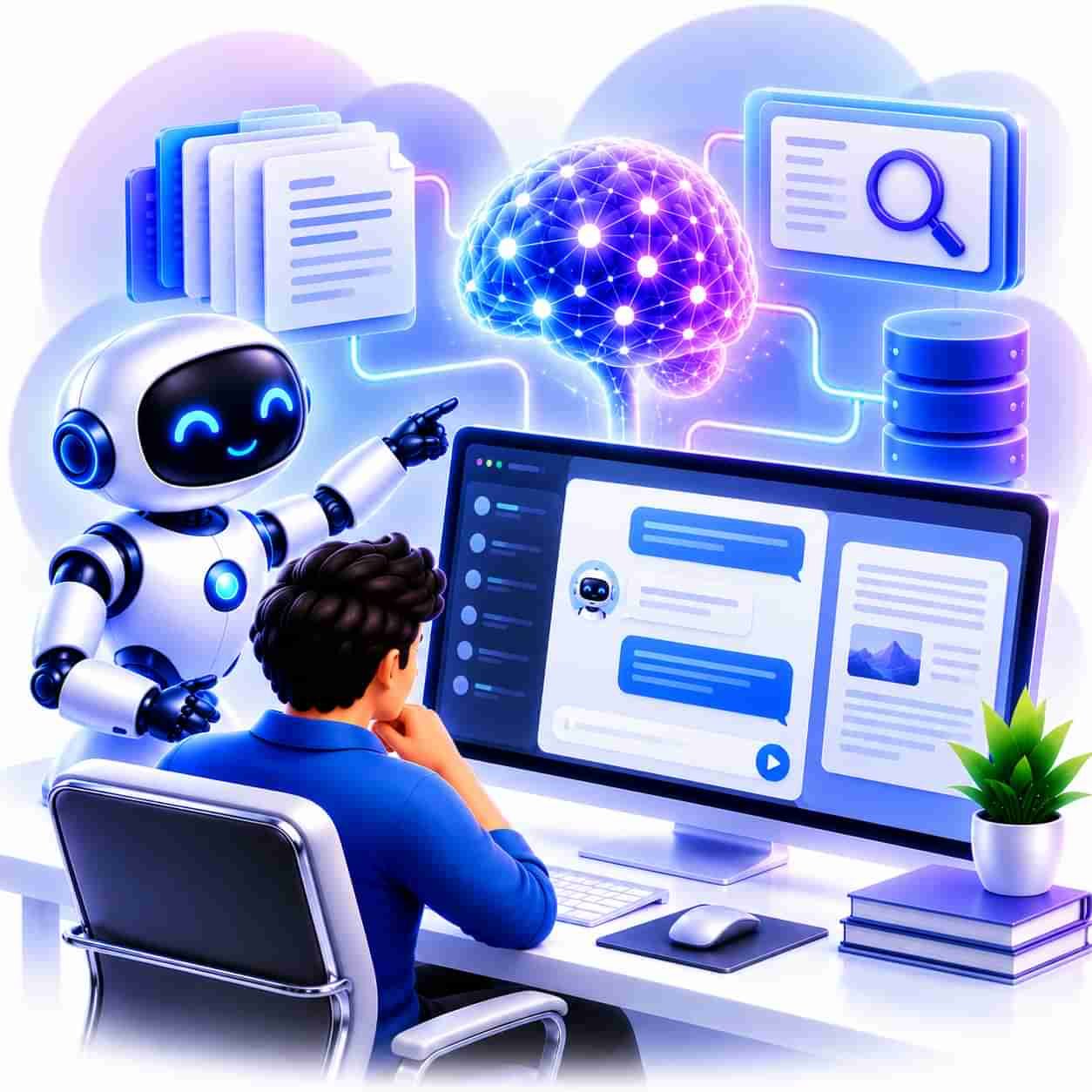
LLM Application Development
Create applications powered by large language models for conversational interfaces, content processing, and intelligent information workflows.

AI Chatbot Development
Build AI-powered chatbots and virtual assistants for customer support, lead qualification, and internal knowledge access.
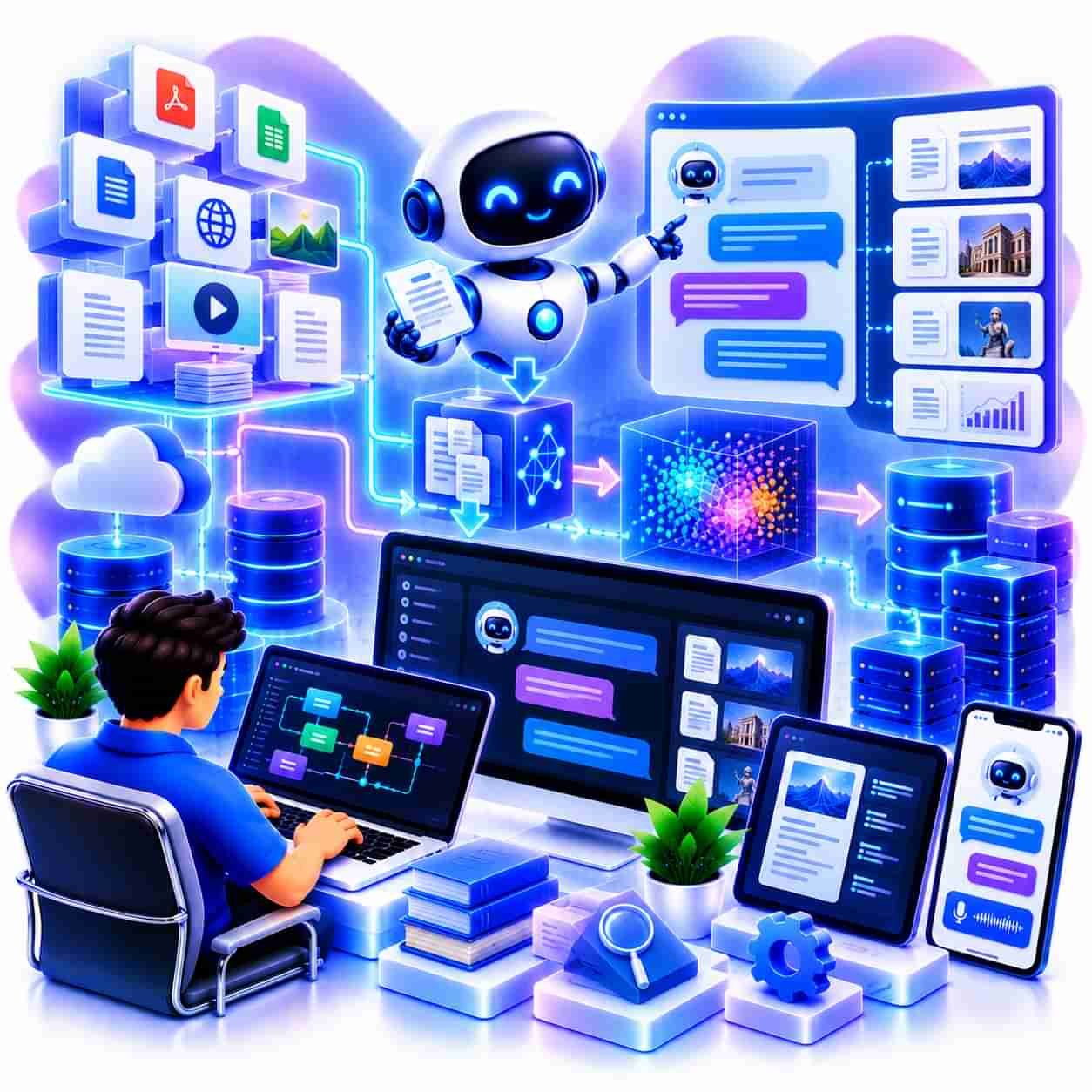
RAG Application Development
Connect AI applications with approved documents and knowledge sources to produce context-grounded responses.
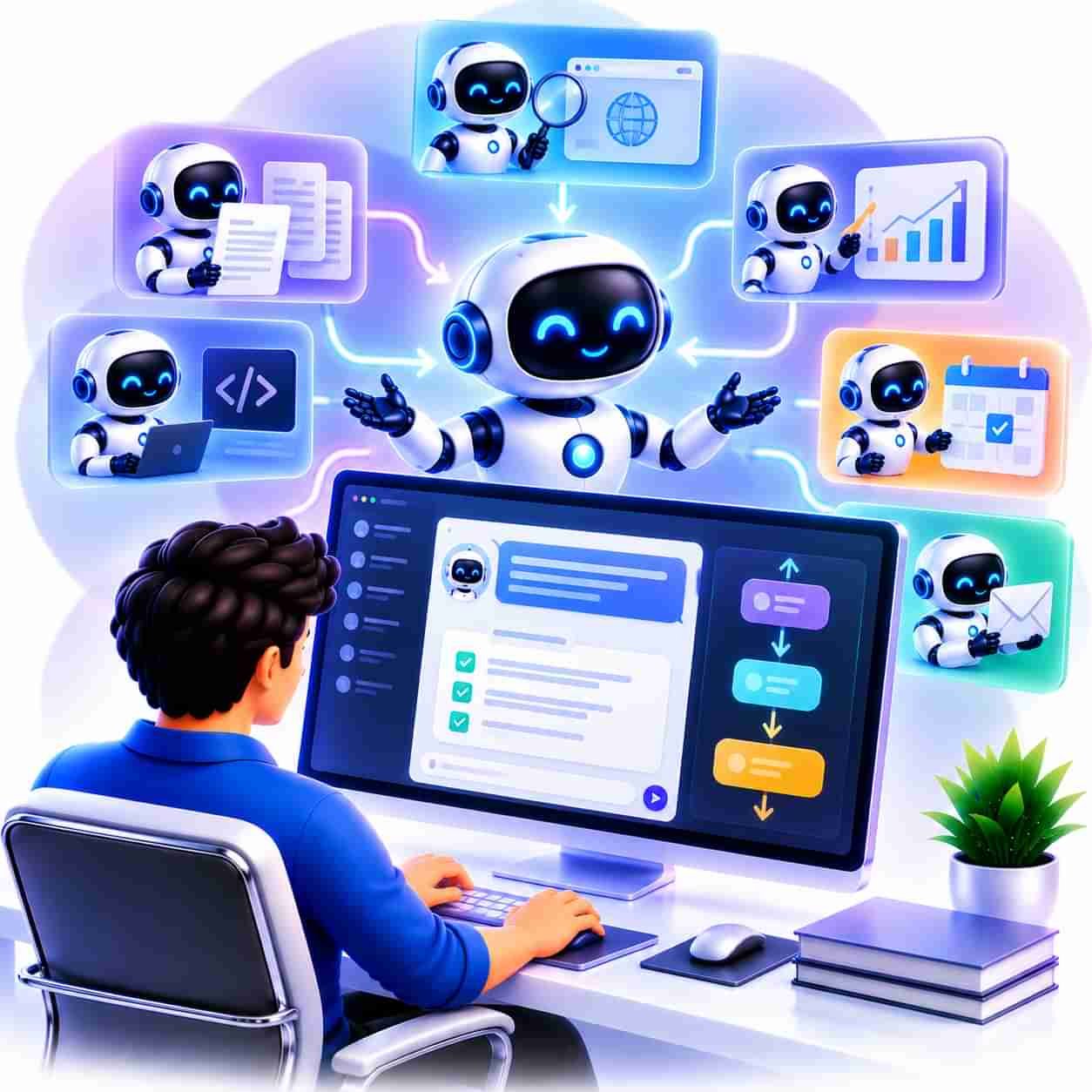
AI Agent Development
Build AI agents that use defined tools, APIs, and workflows to complete specific tasks within configured permissions.

Agentic AI Development
Design multi-step AI systems that coordinate tools and workflows to pursue defined objectives with appropriate monitoring and control.
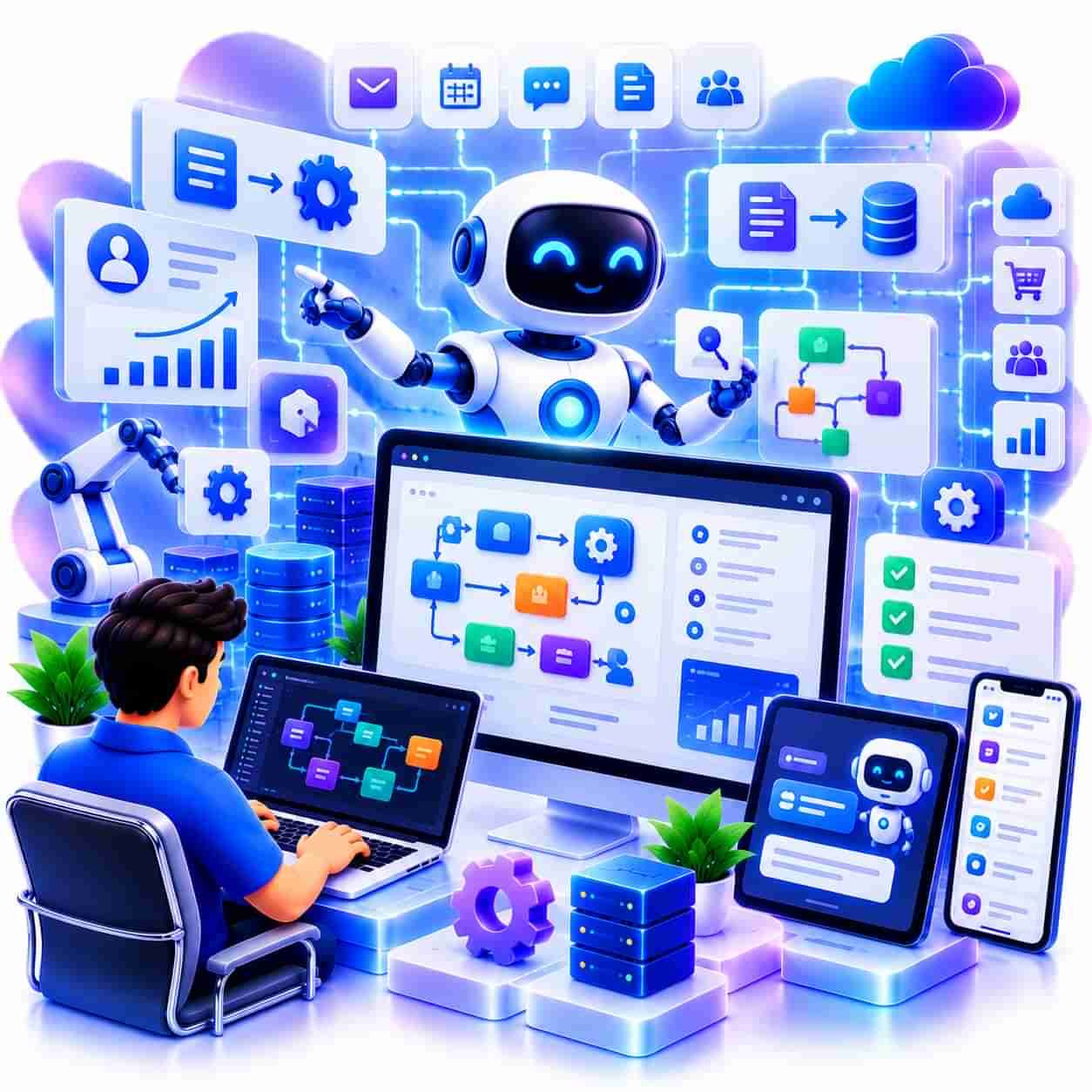
AI Automation Services
Integrate AI into business processes to automate suitable tasks, document handling, routing, and repetitive workflows.

Data Engineering & Analytics Platforms
Build data pipelines and analytics systems that prepare business data for reporting, machine learning, and AI applications.

Custom Business Software Development
Develop tailored business applications that integrate AI capabilities with existing operational workflows.

SaaS Development
Build scalable software products that incorporate AI features, subscription workflows, user management, and cloud deployment.
Blogs
Latest Insights & Updates
Explore machine learning tutorials, predictive analytics strategies, model evaluation techniques, forecasting use cases, feature engineering, MLOps practices, responsible AI, and production machine learning trends from the AINXQ Solutions team.